We've stumbled on this great article pertaining to Backflow Assembly Testing directly below on the web and decided it made perfect sense to relate it with you in this article.
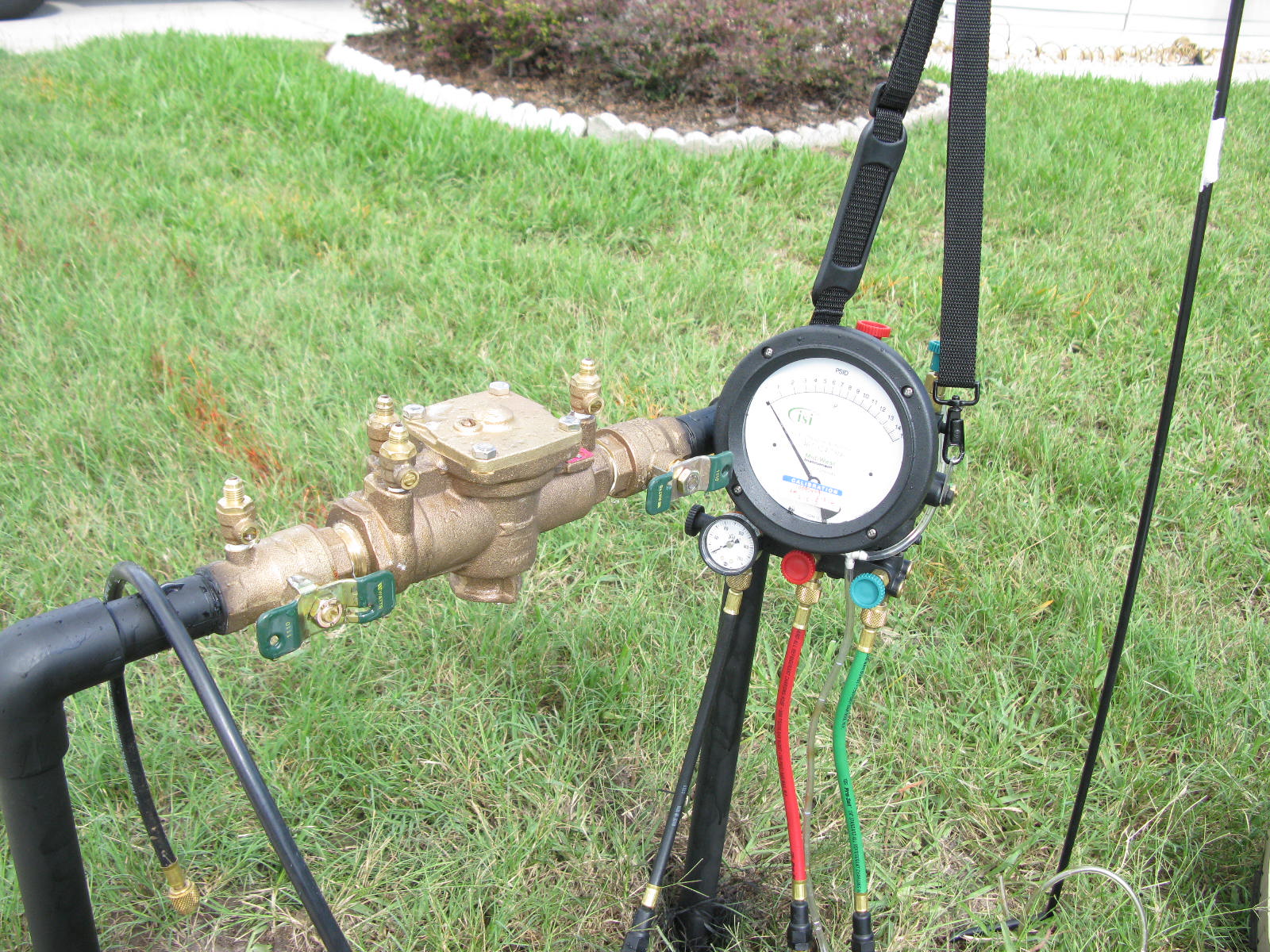
Yes, you require to backflow test your home's water system to make sure that the water is free of toxins and damaging degrees of chemicals. As a result of the equipment called for and also area for error, you must not try to perform backflow screening on your own. We advise that you call a specialist plumber every couple of years to test your water.
What is Heartburn?
In short, backflow is when water moves upwards-- the contrary instructions in the plumbing system. This is likewise known as "backpressure." When the water moves in this instructions, it can mix with harmful toxic substances and also pose a danger.
What Triggers Backflow?
A common cause of heartburn is a loss of water stress that triggers the water to siphon back right into the water system. An example is clearing out a paint pail making use of a hose. You fill up the paint container up with water, leaving the tube in the pail. After some time, there is a loss in water stress and also the pipe starts to suck the water back into the water system. As you can visualize, there are currently chemicals from the paint that are entering the water system, possibly positioning a threat. Lots of people are not even conscious of heartburn screening, but there are several factors why it's so important.
Heartburn Screening is Called For by Law in Certain Cities
Relying on where you live, you might really be required by law to backflow test your legislation. For instance, Iowa City maintains a document of all buildings served by the city's water system. The city needs that specific "high-hazard" centers undertake heartburn screening. Sometimes, homes such as residences as well as apartment buildings are influenced.
You Can Avoid Backflow
The major function of a heartburn tool is to stop water from moving backward into your water supply. Plumbing technicians set up the device on the pipes in your residence to make sure that the water just flows in the right instructions.
Backflow Can Effect Both You as well as Your City
Since dangerous heartburn can impact the public water supply in addition to a single structure, several cities develop backflow standards. Thankfully, modern cities have backflow tools in position that shield the supply of water that originates from most residences and industrial residential or commercial properties. The real danger comes from watering systems, which can hurt the water system with toxic fertilizers, manure, and various other chemicals.
Call a Plumber to Evaluate for Heartburn Prior To It is Too Late
A plumbing company can swiftly check your residence's water to determine if there are any type of unsafe chemical levels. As well as if you do discover that your water has high levels of toxins, a plumber can easily set up a heartburn avoidance device.
Yes, you need to backflow test your home's water supply to guarantee that the water is complimentary of toxins as well as unsafe levels of chemicals. A common cause of heartburn is a loss of water stress that triggers the water to siphon back right into the water supply. After some time, there is a loss in water stress and the hose starts to draw the water back into the water supply. The primary objective of a backflow tool is to protect against water from streaming backwards right into your water supply. Several cities develop backflow standards since unsafe heartburn can affect the public water supply in addition to a solitary structure.
WHY DOES BACKFLOW TESTING NEED TO BE DONE EVERY YEAR
What Is Backflow?
Toxic gas backing up into a building is one example of potential backflow issues, but backflow can occur in many other ways.
Backflow is generally referred to as the reversal of a liquid or gas in a plumbing system.
Most issues for the public occur with backflow resulting in contaminated drinking water. If you look up backflow issues online you’ll probably find references to “potable” water. That means drinking water.
There have been backflow issues in the past with drinking water. Chemicals, sewage and other contaminants have found their way into drinking water causing health issues for those that count on the fresh water.
What Causes Backflow?
In a residence or commercial building water generally flows one way. This normal flow is usually driven by consistent pressure in the water and waste system.
Anything that changes the normal pressure in the system can lead to backflow.
Fire hydrant use or malfunction can reverse the normal pressure in the system on a city line, but backflow can occur in a number of different ways.
Sometimes backpressure might be caused by someone using a garden hose and submerging the end of the hose in a pool of liquid. If pressure is lost the flow could reverse and contaminants could be released into the drinking water.
Anytime there is a connection between contaminants and the drinking water there is potential for a backflow issue. Sometimes these connections are not immediately obvious like the garden hose connecting to a building’s drinking water supply.
Backflow Regulations
The Environmental Protection Agency (EPA) provides guidelines and regulations for state and local governments regarding backflow. State and local governments also have their own guidelines and regulations for backflow prevention.
Arizona has its own backflow regulations.
Due to issues with backflow in the past, regulations require backflow preventer devices to be used in nearly all residential and commercial buildings.
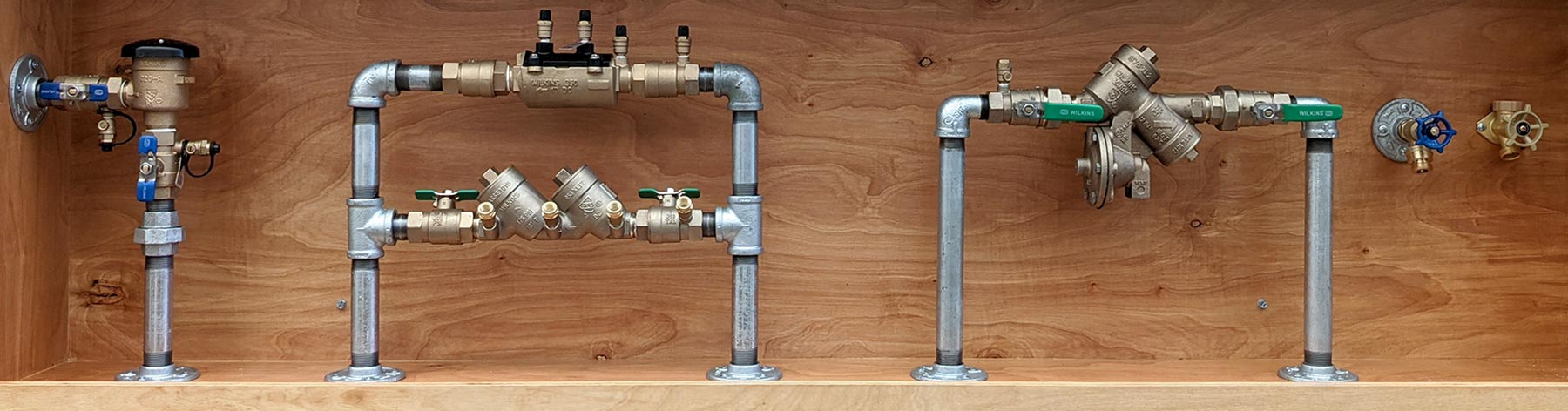
A backflow preventer is a device that prevents backflow as cross-connection points where potential backflow issues may occur.
While backflow is not a common occurrence, preventers are in place to make sure there is no contamination should something malfunction or go wrong with a building’s water supply.
I recently found that blog post about Backflow Assembly Testing while surfing the internet. I beg you take a moment to distribute this content if you liked it. Thanks a lot for taking the time to read it.
Book Today!